





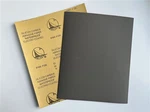

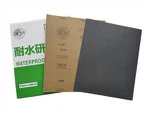


Abrasive Grains
Abrasive Grains are sharp and hard materials used to grind softer surfaces. Abrasives are divided into two categories: natural abrasives and synthetic abrasives. According to hardness, abrasives are divided into two categories: superhard abrasives and ordinary abrasives. Abrasives are indispensable for manufacturing precision products and are widely used in hardware, steel, casting, ceramics, aluminum, wood, leather and other industries.
Application of the abrasive Grains
The abrasives is used for cutting, crushing, and cleaning other gentler materials. By doing this, the grinding erodes some pieces of the workpiece. It can likewise do the specifying of a workpiece, for example, cleaning to get a sleek, smooth, and sparkly surface. Clients can acquire different sorts of completions like glossy silk, matte, or beaded completions.

Benefits of Abrasive Grains
Cost-effective
Abrasives offer cost-effective material removal and surface finishing solutions compared to other methods like machining or chemical processes, reducing production costs and lead times.
Ease of use
Abrasives are generally easy to use and require minimal setup, making them accessible to both professionals and hobbyists for various projects and applications. By carefully controlling the abrasive process, precise dimensional accuracy can be achieved, ensuring workpieces meet specific size and tolerance requirements.
Surface preparation
Abrasives are essential for surface preparation tasks such as cleaning, deburring, and roughening surfaces before painting, coating, or bonding, ensuring proper adhesion and finish quality.
Efficiency
Abrasives enable fast material removal and surface finishing, improving production efficiency and throughput in manufacturing processes. Abrasives are designed to withstand high-speed operations, heat, and friction, ensuring long-lasting performance and extended tool life in demanding applications.




Why Choose Us
Rich experience
Our company has many years of production work experience. The concept of customer-oriented and win-win cooperation makes the company more mature and stronger.
One-stop solution
We can offer a range of services, from consultation and advice to product design and delivery. It is a convenience for the customers, as they can get all the help they need in one place.
24H online service
We respond to all questions within 24 hours and if any emergencies arise, our team is always at your service.
Quality control
We have professional personnel to monitor the production process, inspect the products and ensure that the final product meets the required quality level standards, guidelines and specifications
main Abrasives
Garnet Abrasives
Garnet for sandblasting
Garnet for waterjetcutting
For Water treatment
Silicon Carbide
Black silicon carbide
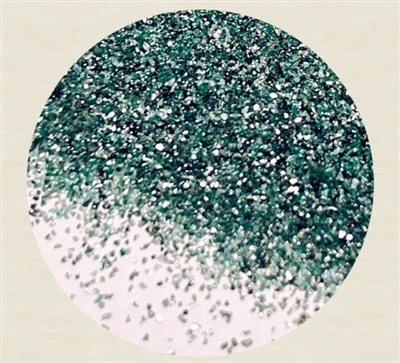
Green Silicon carbide
Fused alumina
White fused Alumina
Brown Fused Alumina
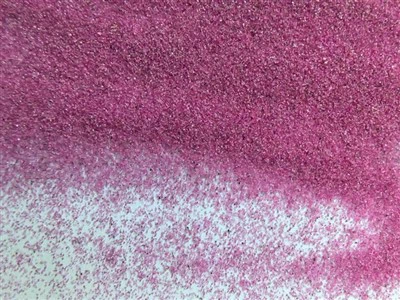
Pink Fused Alumina
Black Fused Alumina
Steel Grit
Steel Grit
Steel Shot

How Are Abrasives Used in Grinding?
Grinding, in essence, is an operation where chips are removed by grains bonded into a form of grinding wheels. The fundamental mechanics of grinding are simple: the abrasive grains on the wheel's surface cut tiny chips from the workpiece, rendering a smooth finish. Abrasives, when used for grinding, offer a high degree of precision. They can achieve intricate shapes and designs on workpieces. Grinding doesn't just shape the workpiece. It also strengthens it by inducing compressive residual stresses.
How Are Abrasives Used in Cutting Wheels?
Cutting wheels are thin, sharp discs used for cutting metals, concrete, and masonry. The type of abrasive used and its grain size greatly impacts the wheel’s efficiency. Ideal for cutting hard substances. Diamond, being the hardest known material, can cut through almost anything. These are commonly used for cutting masonry, concrete, stone, and non-ferrous metals.
Selection of raw materials
Abrasive products can be made from a variety of materials such as aluminum oxide, silicon carbide, or diamonds. The choice of material determines the abrasive’s hardness, grain size, and overall efficiency.
Mixing and bonding
The abrasive grains are mixed with a binder material. This can be a resin, rubber, metal, or even a vitrified substance. The binder holds the abrasive particles in place.
Shaping
The mixture is then shaped into the desired form. This could be wheels, belts, discs, or any other shape suitable for specific tasks.
Firing or curing
Depending on the binder used, the shaped abrasive might be fired in a kiln or cured under specific conditions. This process solidifies the product and determines its final hardness.
Final touches
Once the abrasive product is formed, it may undergo additional processes like coating or adding a backing material.
Maintenance Tips for Abrasives
Keep them clean
Abrasives tools can quickly become clogged with debris, which can reduce their effectiveness. Be sure to clean them regularly with a brush or compressed air.
Store them properly
Abrasives tools should be stored in a dry, protected place when not in use. This will help prevent them from rusting or becoming damaged.
Inspect them regularly
It is important to inspect your abrasives tools regularly for any signs of wear or damage. If you notice any problems, be sure to replace the tool immediately.
Temperature and humidity
The recommended temperature range for storage is 60°F-80°F while ideal relative humidity is 45%. Relative humidity is a critical factor in abrasives storage, as issues usually occur when it changes.